
Smoke Detector Installation in Chicago
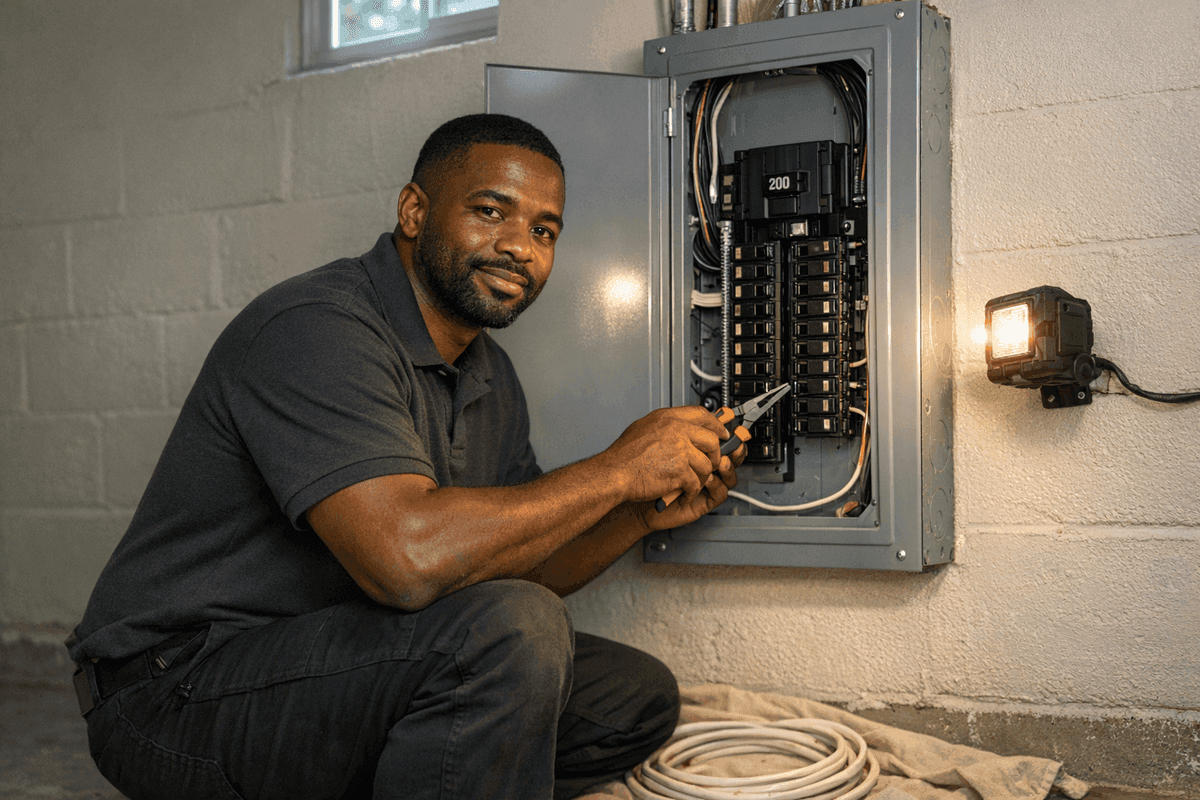
Smoke detector installation involves placing smoke detection devices throughout your home to provide early warning of fire. Modern Chicago code requires hardwired (electric) smoke detectors with battery backup in specific locations, working together as a single system. Professional installation ensures proper coverage, code compliance, and reliability—key to life safety.
Types of Smoke Detectors
Battery-Powered Smoke Detectors:
Single-unit detectors powered by batteries. Simple but less reliable than hardwired; batteries need replacement annually.
Hardwired Smoke Detectors:
Connected to home electrical circuit with battery backup. Required by Chicago code in new construction and many renovations. Detectors communicate, triggering all alarms if any detects smoke.
Photoelectric Detectors:
Sense smoke using a light beam. Good for detecting smoky fires. Common type in most homes.
Ionization Detectors:
Sense smoke using radioactive particles. Good for detecting fast-burning fires. Less common now.
Dual-Sensor Detectors:
Combine photoelectric and ionization sensing for maximum detection capability.
Smart Smoke Detectors:
WiFi-enabled detectors with app notifications and voice alerts. Premium option integrating with smart home systems.
Chicago Smoke Detector Code Requirements
Chicago Municipal Code mandates:
- One detector per bedroom (outside sleeping rooms)
- Hallways and common areas (central location for alarm)
- Stairways (ascending to upper floors)
- Basement areas (if finished or used)
- All detectors interconnected (hardwired or wireless, so all trigger together)
- Battery backup (if hardwired system loses power)
- Carbon monoxide detector (in kitchens near appliances and bedrooms)
Proper placement and interconnection are critical for effective life safety.
What's Included in Smoke Detector Installation
Professional installation includes:
- Comprehensive home assessment for detector placement
- Selection of appropriate detector type and brand
- Circuit availability assessment (for hardwired installation)
- Detector mounting to ceiling or wall
- Electrical wiring and connections (for hardwired)
- System testing to confirm operation
- Interconnection setup (hardwired or wireless)
- Battery installation and programming (smart detectors)
- Documentation and code compliance certificate
- Homeowner instruction on testing and maintenance
Hardwired installations typically take 2-4 hours depending on number of detectors and circuit access.
Smoke Detector Placement Strategy
Optimal placement includes:
- Master bedroom: Just outside sleeping room
- Guest bedrooms: Just outside sleeping rooms
- Hallways: Central locations on second floor
- Living areas: Living room, den, family room
- Stairways: At top and bottom of stairs
- Basement: Near stairway if basement is finished
- Kitchen: Distance from range to avoid false alarms (10+ feet)
Detectors should be mounted on ceilings or high on walls (within 12 inches of ceiling).
Hardwired System Benefits
Advantages of hardwired system:
- Interconnected alarms: All detectors trigger throughout home if any detects smoke
- Audible warning: Loud alarms in multiple locations alert whole family
- Battery backup: System operates if power fails
- No battery replacement: Permanent power (though batteries still used for backup)
- Code compliance: Required in Chicago for certain situations
- Reliability: Less likely to miss detection than scattered battery detectors
- Insurance benefits: May lower home insurance premiums
Hardwired systems provide superior protection, especially in larger homes.
Illinois Smoke Alarm Law (2023 Update)
As of January 1, 2023, all Illinois homes without hardwired or 120-volt smoke alarms must install alarms with 10-year sealed, tamper-resistant batteries. Homes that already have hardwired smoke alarms are exempt — those systems meet the requirement as long as the detectors are working and within their manufacturer service life (typically 10 years). If your Chicago home still has older 9-volt battery detectors, the law requires a retrofit. We install 10-year sealed-battery units or hardwire a new interconnected system depending on your home's wiring.
Chicago CO Detector Requirements
Chicago and Illinois both require carbon monoxide detectors within 15 feet of every sleeping area in any home with a fuel-burning appliance or attached garage. For Chicago homes on natural gas heat (the vast majority), that's effectively every home. Combo smoke/CO detectors satisfy both requirements and we install them routinely during a full system upgrade.
Real-Estate Sales and Insurance Implications
Chicago inspectors routinely flag missing or expired detectors during real-estate sales, and many insurance carriers require documentation of a working interconnected smoke detection system as part of an annual renewal. We provide a written completion certificate after installation listing detector locations, model numbers, and install date — the format buyers, lenders, and insurers expect.
Neighborhoods We Serve
We install smoke detection systems across Chicago, including [Lincoln Park](/services/chicago/electrician-lincoln-park-chicago), [Lakeview](/services/chicago/electrician-lakeview-chicago), [Bucktown](/services/chicago/electrician-bucktown-chicago), [Logan Square](/services/chicago/electrician-logan-square-chicago), [Wicker Park](/services/chicago/electrician-wicker-park-chicago), [West Loop](/services/chicago/electrician-west-loop-chicago), [Hyde Park](/services/chicago/electrician-hyde-park-chicago), [Portage Park](/services/chicago/electrician-portage-park-chicago), [Beverly](/services/chicago/electrician-beverly-chicago), [Pilsen](/services/chicago/electrician-pilsen-chicago), and [Bronzeville](/services/chicago/electrician-bronzeville-chicago).
Related Services and Cost Guides
Related pages: [electrical inspection](/services/chicago/electrical-inspection-chicago), [electrical code violation repair](/services/chicago/electrical-code-violation-repair-chicago), [home rewiring](/services/chicago/home-rewiring-chicago), [property manager electrician](/services/chicago/property-manager-electrician-chicago), [dedicated circuit installation](/services/chicago/dedicated-circuit-installation-chicago). For pricing, see our [electrical inspection cost guide](/services/chicago/cost-guides/cost-electrical-inspection-chicago).
Why Choose E&P Electric?
- ✓Licensed Electrician
- ✓Safety Assessment
- ✓Code Expertise
- ✓Quality Equipment
- ✓Proper Wiring
- ✓Full Testing
- ✓Continued Safety
- ✓Documentation
Get a Free Estimate Today
Serving Chicago and Chicagoland. Licensed and insured.